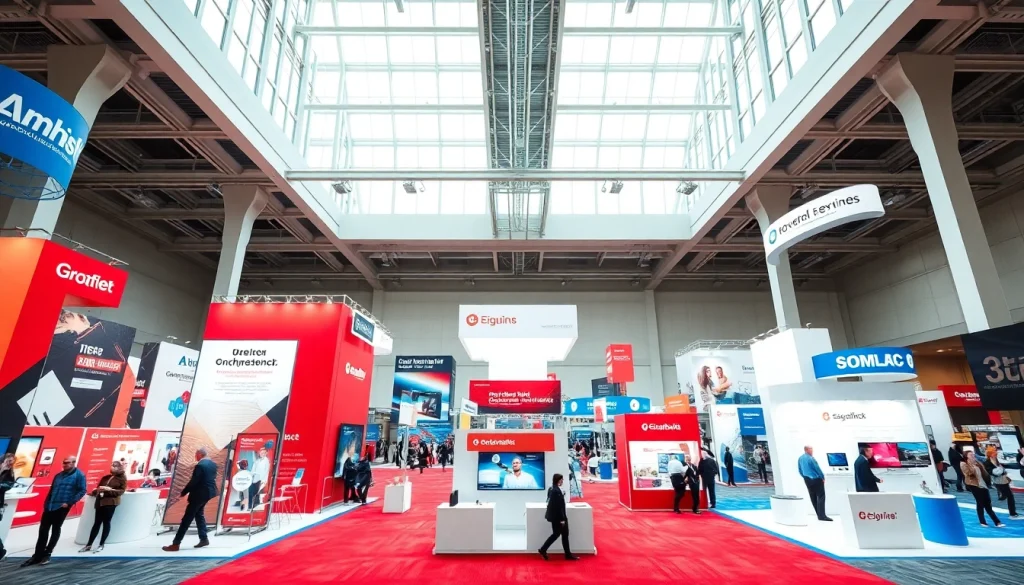
Understanding Trade Show Displays
What Are Trade Show Displays?
Trade show displays are essential marketing tools used during exhibitions and events to showcase a brand’s products or services. These displays come in various formats, including banners, pop-up displays, booth designs, or modular solutions tailored to fit specific spaces and objectives. They serve as the face of the brand at events, designed not only to attract attention but also to convey key brand messages and product information clearly and effectively.
The Importance of Trade Show Displays in Marketing
In the sphere of event marketing, trade show displays play a pivotal role. They facilitate direct interaction between brands and potential customers, fostering engagement in a dynamic environment. The effectiveness of a trade show display lies in its ability to encapsulate the brand’s identity and value proposition, making it more memorable to attendees. Additionally, a well-designed display can lead to increased foot traffic, higher engagement rates, and a significant return on investment for participating businesses.
Types of Trade Show Displays to Consider
There is a myriad of trade show display types to choose from, each serving different objectives and audience engagement strategies. Some of the most popular types include:
- Pop-Up Displays: These are portable and easy to set up, often featuring vibrant graphics. Ideal for smaller spaces, they can make a significant impact with minimal setup time.
- Tabletop Displays: Perfect for smaller exhibits or as part of a larger setup, tabletop displays are typically used on conference tables or small high-top displays. They are straightforward yet effective in showcasing products, brochures, and marketing materials.
- Modular Displays: These offer significant flexibility, allowing for various configurations to suit different booth spaces. They can expand or reduce based on event requirements and are customizable in terms of graphics and layout.
- Backlit Displays: Known for their eye-catching quality, backlit displays utilize illumination to highlight graphics and messaging, making them stand out even in poorly lit environments.
- Banner Stands: Cost-effective and highly portable, banner stands can be used alone or in conjunction with other displays to enhance brand visibility.
Designing Your Trade Show Displays
Key Elements of Effective Trade Show Displays
The design of your trade show display is vital in capturing attention and conveying your message. Here are essential elements to consider:
- Visual Appeal: The first element is visual impact. Choose high-quality images and graphics that resonate with your audience and reflect your brand identity.
- Clear Messaging: Ensure that the core message is succinct and easy to read from a distance. Often, simpler messages resonate more effectively than cluttered displays.
- Interactive Components: Incorporate interactive elements, such as touchscreen kiosks or product demonstrations, to engage the audience further and create lasting impressions.
- Space Utilization: Make the most of the available space. Your display should facilitate easy movement and should not feel cramped, allowing visitors to interact fully without feeling overwhelmed.
Choosing Colors and Graphics for Trade Show Displays
Color psychology plays a significant role in how your trade show display will be perceived. Different colors evoke different emotions, so selecting a color scheme that aligns with your brand message is crucial:
- Blue: Often associated with trust and reliability, making it suitable for corporate brands.
- Red: A bold choice that indicates energy and excitement, effective for brands promoting products meant to be action-oriented.
- Green: Linked with nature and sustainability, often appealing to environmentally conscious consumers.
Graphics should be high-resolution and relevant to your marketing strategy. Using a mix of imagery and text helps to communicate your brand’s message at a glance.
Incorporating Branding in Trade Show Displays
Brand consistency is vital at trade shows. Ensure that every element of your display, from colors to font choices, resonates with your established branding guidelines. This includes:
- Logo Display: Your brand’s logo should be prominently placed and visible from multiple angles.
- Brand Voice: The language and tone used in your messaging should reflect your overall brand voice, helping create a cohesive brand experience.
- Marketing Materials: Hand out brochures and business cards that echo the same design elements featured in your display to leave a lasting brand impression.
Preparing for Your Trade Show
Logistics and Setup for Trade Show Displays
Preparation is key to maximizing the effectiveness of your trade show attendance. Logistics involves planning the setup of your display, transportation of materials, and ensuring that all components are functional and ready for the event:
- Space Planning: Determine your allocated booth space and layout. Understanding the dimensions and shape of your area can influence how you configure your display.
- Transport Considerations: Plan how you will transport your display to the venue. Consider weight, size, and protection methods for delicate elements during transport.
- Setup and Staffing: Schedule time for assembling the booth and train staff on the layout and the products they’ll promote, ensuring smooth operations during the event.
Staff Training and Interaction Strategies
Your team is the face of your display, and their interaction with visitors can make or break your event experience. Here are effective strategies to enhance staff performance:
- Training: Conduct thorough training sessions on product knowledge, engaging communication techniques, and effective sales pitches.
- Role Assignment: Assign distinct roles, such as lead engagement, product demonstrations, or information distribution, to streamline interactions.
- Daily Briefings: Start each day of the trade show with a briefing to energize the team and address goals or challenges for that particular day.
Essential Tools for Trade Show Displays
Having the right tools at your disposal can significantly enhance your trade show performance. Key tools to consider include:
- Portable Display Cases: Protect and transport your display with easy-to-carry cases that are often designed to double as counters or registration desks at the event.
- Lead Collection Tools: Utilize soft technology like scanners or apps that allow you to collect visitor information quickly and efficiently.
- Promotional Giveaways: These can serve as icebreakers and leave attendees with lasting reminders of your brand.
Maximizing Engagement at Trade Show Displays
Techniques to Attract Attention to Your Trade Show Displays
Standing out at a trade show requires innovative strategies to capture attendees’ attention amidst numerous competing displays. Here are several techniques to consider:
- Unique Booth Design: Break the mold with eye-catching structures, unusual shapes, or intriguing layouts that provoke curiosity.
- Live Demonstrations: Engage attendees by showcasing your products or services in real-time, allowing potential customers to experience their value firsthand.
- Clear Incentives: Offer tangible incentives for visiting your booth, such as contests or giveaways, which can draw in a crowd.
Interactive Elements in Trade Show Displays
Interactive features not only engage visitors but also encourage participation, making your booth more memorable. Consider including:
- Touchscreens: These can provide information, conduct surveys, or facilitate product demos through engaging interfaces.
- Photo Booths: Create a fun experience with a photo corner styled with backdrops that reflect your brand, allowing attendees to share photos on social media.
- Gamification: Integrating games related to your branding can capture interest and facilitate learning about your products or services in a fun and competitive way.
Leveraging Social Media at Trade Show Displays
Social media can significantly enhance your brand’s visibility and engagement during trade shows. Utilize the power of social channels with these strategies:
- Live Updates: Share live content throughout the event on platforms like Instagram, Twitter, or Facebook, highlighting your booth, engaging staff, and visitor interactions.
- Hashtag Campaigns: Create a unique event-specific hashtag to track interactions and boost online visibility, encouraging attendees to share their experiences.
- Interactive Challenges: Encourage attendees to share posts in exchange for giveaways, further enhancing your reach and engagement over social media platforms.
Measuring the Success of Trade Show Displays
Setting Goals for Your Trade Show Displays
To accurately measure the success of your trade show displays, it is crucial to set clear, measurable objectives ahead of the event. Here are some goals you might consider:
- Lead Generation: Set a numerical target for the number of leads to acquire during the trade show.
- Brand Awareness: Assess the intent to follow your brand on social media or visit your website post-event.
- Audience Engagement: Establish metrics for engagement, such as foot traffic through your booth or interactions with your staff.
Metrics to Evaluate Performance of Trade Show Displays
Once the event wraps up, evaluate your performance through several key metrics:
- Lead Conversion Rate: Measure how many leads generated during the event convert into actual sales.
- Engagement Metrics: Analyze social media engagement, booth attendance rates, and participation in interactive elements.
- Feedback Surveys: Post-event surveys can provide insights into visitor experiences and areas for improvement in future events.
Follow-Up Strategies Post Event for Trade Show Displays
The follow-up phase is critical to maintaining the momentum generated during the event. Implement these strategies:
- Timely Communication: Contact leads promptly after the event to reinforce interactions and solidify relationships.
- Content Sharing: Send personalized emails containing additional information, resources, or offers that may interest your leads.
- Evaluate Your Strategy: Review feedback and lead performance to adjust strategies for better outcomes at future events.