Essential Gardening Techniques for Thriving Plants and Beautiful Landscapes

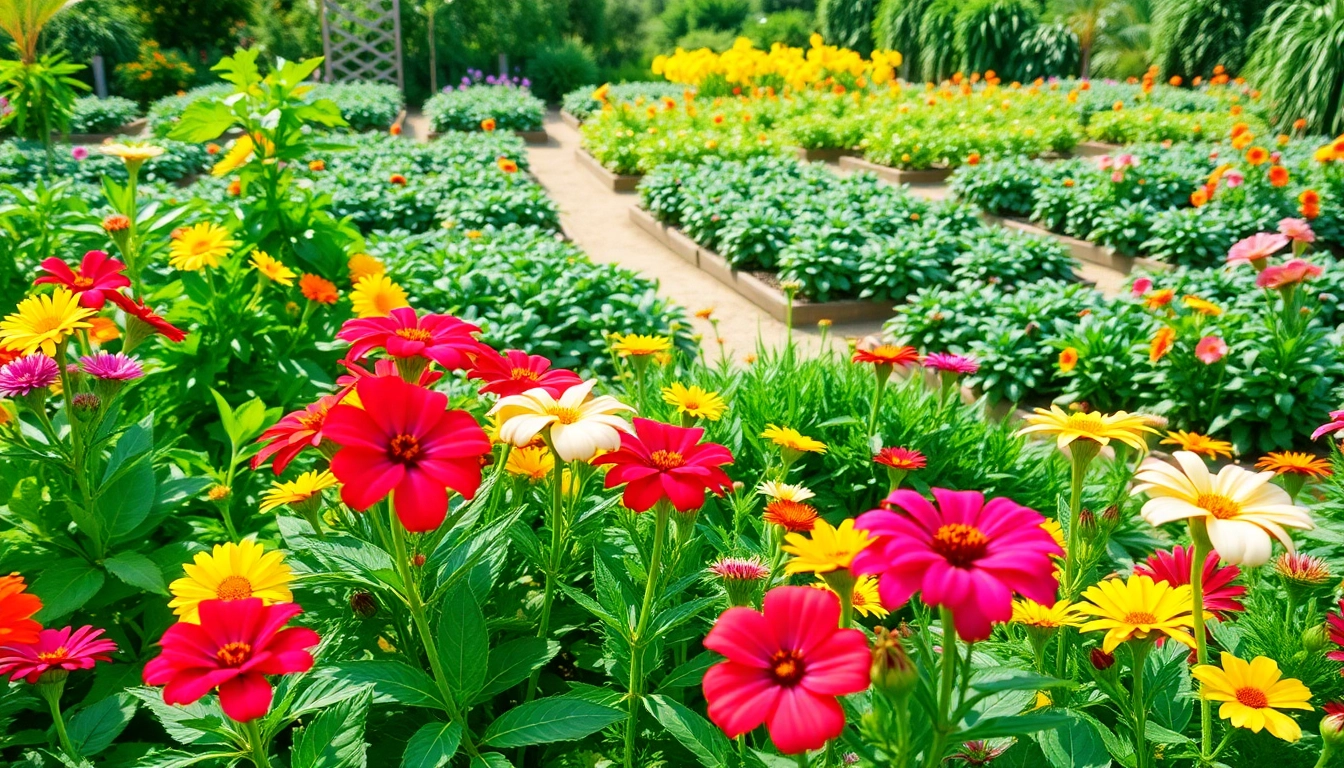
Gardening in a vibrant vegetable garden with colorful plants and flowers in full bloom.

Understanding the Basics of Gardening

Gardening is a fulfilling activity that allows individuals to connect with nature and cultivate their own food, flowers, and herbs. It encompasses various methods and practices that can significantly enhance both the beauty and productivity of your garden. Whether you are a seasoned gardener or a beginner, understanding the foundational aspects of gardening is crucial. This article aims to guide you through the key components of gardening, helping you build a vibrant and thriving garden. For those seeking more insights and strategies for improving their gardening practices, the field of Gardening offers a wealth of resources and community support.

The Importance of Soil Quality in Gardening

Soil quality is perhaps the most critical factor influencing the health and growth of plants. The right soil provides the necessary nutrients, promotes strong root development, and maintains adequate moisture levels. Here are essential aspects of soil quality that every gardener should consider:

  • Soil Composition: Ideal garden soil consists of a blend of sand, silt, and clay, along with organic matter. This combination ensures good drainage and nutrient retention.
  • pH Level: The pH level of the soil affects nutrient availability. Most plants prefer a pH range of 6.0 to 7.0. Regular testing can help you determine if amendments are needed.
  • Organic Matter: Incorporating compost or well-rotted manure into your soil enhances fertility and encourages microbial activity, which is vital for plant health.
  • Soil Structure: Good soil structure allows for proper aeration and root penetration, reducing compaction and promoting healthy growth.

Improving soil quality is an ongoing process, and regular testing can help you identify the best amendments tailored to your garden’s needs.

Choosing the Right Plants for Your Garden

Selecting plants suited to your climate, soil type, and gardening goals is essential for a successful garden. Here are tips to help you choose wisely:

  • Understand Your Climate: Different regions have distinct climates that affect plant growth. Research your USDA Zone to find plants that thrive in your area.
  • Know Your Soil: Different plants have varying soil requirements. Use the soil tests from the previous section to select plants compatible with your soil type.
  • Consider Time Commitments: Some plants require more maintenance than others. If you are new to gardening, start with low-maintenance options such as succulents or native plants.
  • Plan for Seasons: Choose a mix of annuals and perennials that provide color and interest across different seasons.

Your plant selection can significantly impact your gardening success, so take the time to plan accordingly.

Basic Gardening Tools Every Gardener Needs

Having the right tools can make gardening tasks more efficient and enjoyable. Here’s a list of essential gardening tools that every gardener should consider:

  • Hand Trowel: Perfect for digging small holes, transplanting, or potting plants.
  • Pruning Shears: Essential for trimming and shaping plants, as well as for removing dead or diseased parts.
  • Garden Fork: Useful for loosening, lifting, and turning over soil to improve aeration and nutrient access.
  • Spade: Ideal for digging and shaping soil, as well as planting larger plants or digging trenches.
  • Watering Can or Hose: Essential for watering plants, whether you prefer a targeted approach or a more general application.
  • Gardening Gloves: Protect your hands from thorns, dirt, and pests while working in the garden.

Investing in quality tools tailored to your needs will help you cultivate your garden effectively and make your gardening experience enjoyable.

Advanced Gardening Techniques

Once you have a grasp of the basics, you may want to explore advanced gardening techniques that can enhance your garden’s productivity and health. Here are some methods worth considering:

Companion Planting for Healthier Gardens

Companion planting involves placing specific plants together for mutual benefits. The gains can include pest reduction, improved growth, and better flavor. Some well-known pairings include:

  • Tomatoes and Basil: Basil enhances the flavor of tomatoes while also repelling pests like aphids.
  • Carrots and Onions: Onions help deter carrot flies and can boost growth when planted nearby.
  • Marigolds and Most Vegetables: Marigolds repel a variety of pests, including nematodes and aphids, while enhancing the growth of vegetables.

Research various companion plantings according to your garden’s specific needs, as well as your regional pest issues.

Effective Watering Strategies in Gardening

Watering is one of the most critical yet often mismanaged aspects of gardening. Here are some effective strategies to ensure your plants receive the right amount of water:

  • Deep Watering: Water your plants deeply but infrequently. This encourages deeper root growth and helps plants withstand drought.
  • Mulching: Applying organic mulch helps retain moisture, regulate soil temperature, and reduce weed growth.
  • Drip Irrigation: Consider using a drip irrigation system that delivers water slowly and directly to the roots, minimizing evaporation.
  • Watering Early or Late: Watering early in the morning or later in the afternoon reduces evaporation losses and ensures water reaches the roots more effectively.

Implement these watering strategies based on your specific garden conditions to promote healthier plants and conserve water.

Organic Pest Control Methods

Managing pests while maintaining an organic garden can be accomplished through several eco-friendly practices:

  • Encouraging Beneficial Insects: Attract insect predators by planting flowers that provide nectar and pollen, such as dill and yarrow.
  • Companion Planting: As mentioned, certain plants can repel pests naturally or attract beneficial insects.
  • Natural Pesticides: Use solutions like neem oil or insecticidal soap to control pest populations without harming beneficial organisms.
  • Regular Monitoring: Stay vigilant and monitor your plants regularly for signs of pest infestations, allowing for quick intervention.

By integrating organic methods into your pest management strategies, you can keep your garden productive and environmentally friendly.

Seasonal Gardening Practices

Gardening is a year-round activity, with unique tasks that need to be addressed as the seasons change. Understanding seasonal practices can optimize your garden’s output. Here’s a breakdown of what to focus on during different seasons:

Spring Gardening: Preparing Your Beds

Spring is the season of renewal in the garden. Here are critical tasks to undertake:

  • Soil Testing: Just before planting, test your soil to determine its nutrient levels and pH. Adjust accordingly with amendments.
  • Bed Preparation: Clear weeds and debris from your planting beds and enrich the soil with compost or organic fertilizers.
  • Start Seeds Indoors: For time-sensitive plants, begin seeds indoors to get a head start before the last frost.
  • Selecting Plants: Choose early blooming flowers and vegetables that thrive during cooler temperatures for initial planting.

Proper preparation ensures a successful growing season ahead.

Summer Maintenance Tips for Healthy Growth

Summer heat poses challenges such as drying soil and pests. Here’s how to keep your garden thriving:

  • Consistent Watering: Maintain moisture levels, but avoid over-watering. Monitor the soil moisture regularly.
  • Weed Control: Consistently check for and remove weeds that compete for nutrients and moisture, especially after rains.
  • Fertilizing: Feed your plants with balanced organic fertilizers to support their nutrient needs during peak growing season.
  • Pest Monitoring: Keep an eye out for new pest populations and take action promptly to prevent larger outbreaks.

Summertime diligence can yield abundant produce and vibrant flowers.

Fall Planting for Year-Round Yield

Fall is often overlooked, but it can be a fruitful time for planting. Key fall practices include:

  • Planting Fall Crops: Vegetables like kale, broccoli, and carrots can be planted for a late harvest.
  • Preparing for Winter: Protect delicate plants from frost and cold weather by covering them or relocating containers.
  • Soil Enrichment: Adding organic matter in the fall prepares the soil for spring readiness and improves its structure.
  • Garden Cleanup: Removing spent plants and debris helps prevent pests and diseases from overwintering in your garden.

A proactive approach in the fall can lead to year-round gardening success.

Gardening for Sustainability

In today’s world, adopting sustainable gardening practices is essential for environmental stewardship and long-term garden health. Consider the following strategies:

Implementing Permaculture Principles in Gardening

Permaculture principles promote designing agricultural systems that are regenerative and sustainable. Here are some fundamental ideas:

  • Designing for Efficiency: Create a garden layout that maximizes sunlight and minimizes resource use, thereby enhancing ecosystem interactions.
  • Diversity: Incorporate a variety of plants to improve resilience against pests and diseases and to support local wildlife.
  • Closed Loop Systems: Utilize waste from one part of the garden as a resource for another, such as using kitchen scraps for compost.
  • Water Management: Create systems for harvesting and managing water effectively, such as rainwater barrels and swales.

Applying permaculture principles fosters an ecological approach that benefits both your garden and the environment.

Composting Basics for Eco-Friendly Gardening

Composting is an effective way to recycle organic matter while creating rich, nutrient-dense soil for gardening. To start composting:

  • Gather Materials: Select a mix of green (nitrogen-rich) and brown (carbon-rich) materials, such as vegetable scraps, paper, and yard waste.
  • Maintain the Pile: Turn your compost pile regularly to aerate it and speed up decomposition. Keep it moist, but not overly wet.
  • Monitor Temperature: A properly maintained compost pile will heat up, indicating that the decomposition process is underway.
  • Use Finished Compost: After a few months, the compost will be dark, crumbly, and earthy-smelling. It’s ready to use as a soil amendment.

Composting not only reduces waste but also enriches your gardening soil.

Water Conservation Techniques in Gardening

As water resources become increasingly scarce, implementing conservation strategies is more critical than ever. Here are practical tips for conserving water in your garden:

  • Mulching: A layer of mulch retains moisture, reduces evaporation, and suppresses weed growth.
  • Drip Irrigation: Set up drip irrigation systems to deliver water directly to the root zone, minimizing waste.
  • Native Plants: Choose drought-tolerant and native plants adapted to your region. These plants typically require less water and maintenance.
  • Rain Gardens: Create rain gardens that utilize runoff from roofs and paved surfaces to support plants and recharge groundwater.

By embracing these water conservation techniques, you help sustain your garden while protecting vital water resources.

Creating an Aesthetic Garden Space

A garden is not only a source of food and beauty but also a space for peace and relaxation. Designing an aesthetic garden involves several key principles:

Designing Garden Layouts for Visual Appeal

The layout of your garden can dramatically affect its aesthetic appeal. Here are design strategies to consider:

  • Focal Points: Create focal points within your garden, such as an ornamental tree or a beautifully designed trellis, to draw the eye.
  • Layering Plants: Use plants of varying heights to create depth and interest, with taller plants providing background and shorter ones in the foreground.
  • Pathways: Design clear pathways that guide visitors through the garden and allow access to different areas without trampling on plants.
  • Utilizing Color: Choose plants and flowers that complement each other in color schemes, creating harmony throughout your garden.

An intentional design enhances not only the beauty but also the functionality of your garden.

Using Color Theory in Plant Selection

Colors evoke emotions and can significantly impact the ambiance of your garden. Here’s how to effectively use color in your plant selections:

  • Warm Colors: Reds, yellows, and oranges create a sense of warmth and excitement. They can be used to energize a space.
  • Cool Colors: Blues, greens, and purples impart a sense of calm and serenity. These colors are excellent for tranquil areas of your garden.
  • Contrasting Colors: Use contrasting colors together for dramatic impact and visual interest.
  • Complementary Colors: Choose color pairs that naturally enhance each other, such as yellow and purple, for a pleasing effect.

Conscious color choices can transform the emotional landscape of your gardening space.

Incorporating Garden Décor and Pathways

Garden décor and well-designed pathways are the finishing touches that bring your garden to life:

  • Artistic Elements: Introduce sculptures, pots, or decorative stones that reflect your personality and add interest.
  • Lighting: Use solar lights or lanterns to illuminate pathways and highlight focal points, creating a magical atmosphere in the evening.
  • Water Features: If possible, add a fountain or pond, which creates soothing sounds while attracting wildlife.
  • Natural Pathways: Use gravel, stepping stones, or rustic wood to create natural-looking paths that guide visitors through your garden.

Thoughtfully incorporated décor and pathways can succinctly enhance the overall experience of your garden.

In conclusion, successful gardening involves a blend of foundational knowledge, advanced techniques, and a keen eye for aesthetics. By mastering these aspects, you can cultivate not only a productive garden but also a beautiful outdoor sanctuary that brings joy throughout the seasons.