Mastering Canine Scent Detection Training: Expert Tips from Rob’s Dog Training
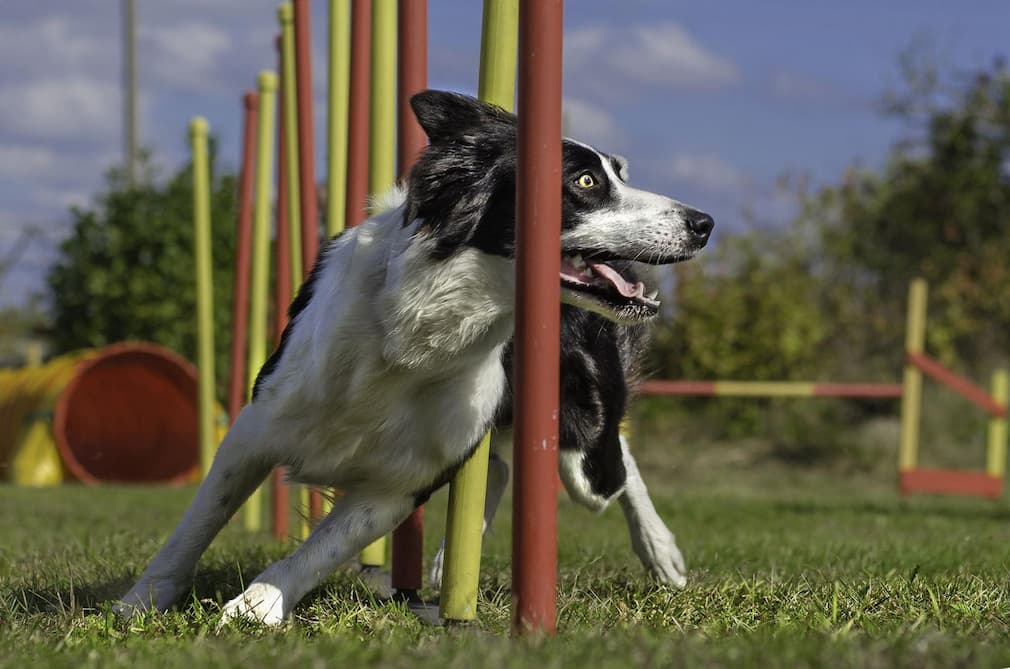
Dogs are extraordinary animals, gifted with one of the most powerful noses in the animal kingdom. Harnessing this natural ability through canine scent detection training has become increasingly popular not just among professional working dogs but also pet owners seeking to enrich their dogs’ lives. At Rob’s Dog Training in Phoenix, AZ, we specialize in guiding dogs and their handlers through the journey of scent detection training, building skills that are both practical and deeply rewarding.
Whether you’re a first-time trainer or looking to refine your dog’s scent abilities, this guide provides expert insights, practical tips, and clear steps to help you succeed in canine scent detection training.
What Is Canine Scent Detection Training?
Canine scent detection training teaches dogs to recognize, locate, and alert their handlers to specific odors. Dogs’ olfactory capabilities far surpass those of humans; their noses contain roughly 300 million scent receptors compared to about 5 million in people. This means dogs can detect scents at incredibly low concentrations and can differentiate between many similar odors.
This type of training involves focusing a dog’s attention on a particular scent, such as explosives, narcotics, missing persons, or allergens, and reinforcing a trained response when the dog locates that scent. Unlike obedience training, scent detection taps into natural instincts, giving dogs a purposeful and mentally stimulating activity.
Why Is Canine Scent Detection Training So Valuable?
Scent detection training offers numerous benefits that make it appealing to dog owners, professionals, and enthusiasts alike:
- Mental Stimulation and Enrichment: Dogs need mental challenges to stay healthy and happy. Scent work offers a complex problem-solving task that keeps their minds sharp.
- Strengthened Human-Dog Bond: Training deepens communication and mutual understanding between dog and handler.
- Practical Uses: Detection dogs play vital roles in security, law enforcement, disaster recovery, and healthcare.
- Suitable for Many Breeds and Ages: Scent detection can be adapted to fit dogs of all types, from energetic young dogs to older pets looking for gentle mental engagement.
- Fun and Rewarding: Training is enjoyable for both dog and owner, providing a sense of achievement and teamwork.
The Canine Scent Detection Training Process Explained
Understanding the typical phases of training can help set realistic expectations and create a solid plan:
1. Introducing the Target Scent
The first step is to create a positive association between the target scent and a reward. This might involve letting your dog sniff a scent sample and immediately rewarding them with a treat or favorite toy. The goal is to build excitement and interest in the scent.
2. Teaching Scent Recognition on Objects
Next, dogs learn to identify the scent on various objects placed in controlled environments. This stage helps reinforce scent recognition and the connection to the reward.
3. Developing Search and Alert Behaviors
Dogs then practice searching larger areas for the scent and perform a specific alert behavior, such as sitting, barking, or pawing, when they detect it. Clear, consistent alerts are crucial for effective communication.
4. Adding Distractions and Complexity
To build reliability, dogs are trained to ignore distracting odors and focus on the target scent even in challenging settings.
5. Real-World Application Training
Finally, training shifts to practical environments that replicate real-life situations relevant to the dog’s intended work or hobby, ensuring skills transfer effectively.
Essential Tools and Techniques for Effective Scent Detection Training
To train successfully, it’s important to have the right tools and methods in place:
- Quality Scent Samples: Use authentic, safe, and properly prepared scent kits that align with your training goals.
- Consistent and Motivating Rewards: High-value rewards like favorite treats or toys keep your dog engaged and eager.
- Structured Training Environment: Begin in quiet, distraction-free areas and progressively increase difficulty.
- Handler Skills: Effective training requires handlers to be observant, patient, and consistent, learning to read subtle signals from their dogs.
- Tracking Progress: Maintain detailed logs of training sessions to monitor improvements and troubleshoot challenges.
Top Tips to Maximize Canine Scent Detection Success
At Rob’s Dog Training, we’ve refined many practical techniques to help dogs thrive. Here are some of our best tips:
Start Early but Be Patient
Puppies can begin scent training, but the pace should always match their comfort and interest levels. Avoid rushing; patience will build confidence and long-term success.
Keep Sessions Short and Frequent
Dogs respond best to brief training intervals around 10 to 15 minutes per session. Frequent, focused sessions prevent boredom and fatigue.
Use High-Value Rewards Specific to Your Dog
Identify what truly motivates your dog, whether it’s a favorite toy, treat, or verbal praise and use it consistently to reinforce correct behaviors.
Vary Training Locations
Changing training environments helps your dog generalize scent detection skills, preparing them for real-world unpredictability.
Recognize Signs of Fatigue or Frustration
Watch for signs that your dog is losing interest or getting stressed. If that happens, pause the session or switch activities to keep training positive.
Addressing Common Challenges in Canine Scent Detection Training
Every trainer encounters difficulties. Here are common hurdles and ways to overcome them:
- Distractions: Gradually introduce distractions and reward your dog’s focus to build reliability.
- False Alerts: Reward only accurate alerts and ignore incorrect responses, reinforcing proper behavior.
- Loss of Motivation: Refresh training by varying rewards or incorporating new activities to keep enthusiasm high.
- Handler Frustration: Staying calm and positive is essential. Your dog will mirror your emotions, so maintain patience and encouragement.
How Rob’s Dog Training Supports Your Journey to Canine Scent Detection Mastery
With years of experience and a passion for dog training, Rob’s Dog Training offers programs designed to meet each dog’s unique needs. Our team provides:
- Personalized training plans based on breed, age, and temperament.
- Private coaching and group workshops focused on scent detection.
- Support for professional applications as well as recreational and enrichment purposes.
- Continued guidance and resources for sustained progress.
Located in Phoenix, AZ, we invite you to visit us at 4204 E Indian School Rd or explore our website robsdogs.com, to get started.
The Growing Popularity of Canine Scent Detection Training
More dog owners and professionals are discovering the value of scent detection training. This method:
- Provides a rich source of mental and physical stimulation.
- Deepens the connection between dogs and their handlers.
- Offers practical skills for working dogs and enriching activities for pets.
- It can be adapted for virtually any dog, regardless of size or breed.
If you want to provide your dog with purposeful work and a fun challenge, scent detection is an excellent choice.
Begin Your Canine Scent Detection Training Today
Canine scent detection training is a rewarding and enriching pursuit that taps into your dog’s natural talents while strengthening your partnership. At Rob’s Dog Training, we believe every dog has the potential to excel with the right guidance and support.
Ready to explore the possibilities? Contact us today to start your training journey and unlock the incredible abilities your dog possesses.